
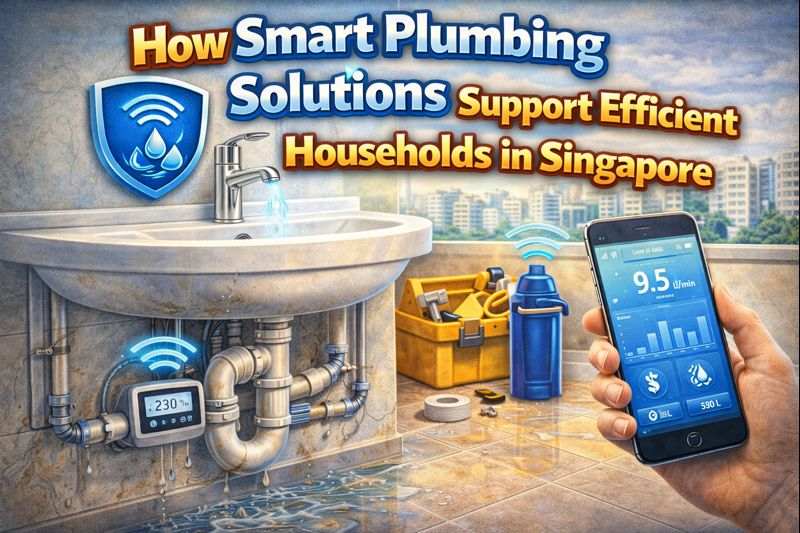
Smart plumbing solutions now play a strong role in daily life across Singapore homes. Homeowners face frequent plumbing problems due to high water use, compact housing layouts, and aging pipe systems. Smart systems help reduce water waste, detect faults early, and support stable household routines. This article explains how smart plumbing solutions address common plumbing problems in Singapore homes using clear systems and direct benefits.
Understanding Plumbing Problems in Singapore Homes
Plumbing problems affect many Singapore homes due to climate, building age, and daily usage patterns. High humidity causes pipe wear over time. Constant water pressure stresses joints and fittings. Older apartments often rely on pipes that no longer match modern demand.
Leaks remain one of the most common plumbing problems. A small leak wastes water every day and raises utility bills. Blocked drains also appear often due to food waste, grease, hair, and soap buildup. These blockages slow water flow and cause odors. Burst pipes occur less often but cause strong damage when pressure rises without warning.
Singapore homes also face water heater issues. Scale buildup reduces heating speed and raises energy use. Toilet faults such as running tanks waste large volumes of water each day. Many homeowners notice these problems only after damage spreads.
Smart plumbing solutions reduce these risks by offering early alerts and controlled water flow. These systems help residents manage plumbing problems before they disrupt daily life.
What Are Smart Plumbing Solutions
Smart plumbing solutions use sensors, valves, and connected devices to monitor water use and system health. These tools track flow, pressure, and temperature in real time. A central control system shows data through a mobile app or home panel.
Smart leak detectors sense water where it should not appear. Smart shutoff valves stop water flow when a leak appears. Smart meters track water use by zone or fixture. Some systems also connect with home automation tools for alerts.
These systems support Singapore homes by reducing manual checks and limiting damage risk. They offer clear data that helps users act fast and fix issues early.
How Smart Plumbing Solutions Reduce Water Waste
Water efficiency matters in Singapore because the country has a limited natural water supply. Smart plumbing solutions help reduce waste through real-time monitoring and controlled water usage. Systems such as smart water meters provide clear data on daily and hourly consumption, allowing homeowners to identify high-use fixtures and adjust habits. Guidance from LS Plumber Singapore aligns these technologies with local plumbing standards, ensuring that monitoring tools work correctly within residential and commercial systems.
Leak detection technology also plays a key role in long-term water savings. Hidden leaks inside walls or underground pipes can waste thousands of liters each year without visible signs. Smart sensors detect pressure changes and moisture early, triggering alerts or automatic shut-off to prevent damage. When these systems are installed and maintained with proper planning, they improve water control, protect property, and support sustainable water use across Singapore homes.
These actions reduce water waste and support national conservation goals. Singapore homes benefit from lower bills and steady water access.
Smart Leak Detection and Early Alerts
Leak detection forms the core of most smart plumbing solutions. Sensors sit near pipes, appliances, and valves. They detect moisture, pressure change, or abnormal flow.
When a leak occurs, the system sends an alert to the homeowner’s phone. Some systems also close the main water valve within seconds. This response limits water spread and protects floors, walls, and furniture.
Early alerts matter in high-rise buildings common in Singapore homes. A leak in one unit can damage units below. Smart systems reduce this risk and support safer living spaces.
Homeowners gain peace of mind because the system monitors plumbing at all times. Even when residents travel, the system stays active and responsive.
Smart Shutoff Valves and Damage Control
Smart shutoff valves act as the control point of the plumbing system. These valves sit on the main water line. They open and close based on system rules or user commands.
When sensors detect a major leak, the valve closes water flow. This step prevents flooding and structural damage. Users can also close the valve through an app during travel or maintenance.
In Singapore homes, where many residents live in apartments, damage control matters. Smart shutoff valves reduce insurance claims and repair costs. They also protect shared building systems from pressure stress.
Monitoring Water Pressure and Pipe Health
High water pressure causes many plumbing problems over time. Pressure stresses joints, valves, and pipes. Smart plumbing solutions monitor pressure levels in real time.
When pressure rises beyond safe limits, the system sends alerts. Some systems also adjust flow automatically. This action protects pipes from cracks and bursts.
Pipe health monitoring also helps in older Singapore homes. Sensors detect slow pressure drops that suggest small leaks or blockages. Early action prevents full pipe failure and costly repairs.
By tracking system health daily, homeowners reduce emergency repairs and extend pipe lifespan.
Smart Plumbing and Energy Efficiency
Plumbing systems affect energy use through water heating. Smart plumbing solutions improve energy control by managing hot water flow and temperature.
Smart water heaters adjust heating based on usage patterns. They reduce heating during low use hours. This control saves energy and lowers utility costs.
Some systems also track hot water flow by fixture. Homeowners see where energy use rises and adjust habits. Reduced heating demand supports lower energy bills and stable supply.
In Singapore homes, where energy costs matter, this benefit supports long-term savings and comfort.
Integration with Smart Home Systems
Smart plumbing solutions often connect with other smart home tools. These include lighting systems, security systems, and home hubs.
Integration allows shared alerts and coordinated actions. For example, a leak alert may trigger lighting in affected areas. The system may also notify building management if required.
Central control improves response speed and clarity. Homeowners manage systems from one interface. This structure supports simple decision making and quick action.
Integration also supports data tracking across systems. Users gain a clear view of home resource use in one place.
Supporting Maintenance and Long-Term Planning
Smart plumbing solutions help homeowners plan maintenance based on data instead of guesswork. Usage reports show patterns that signal wear.
For example, rising water use at night may suggest a toilet leak. Slow pressure loss may point to pipe corrosion. Early detection allows planned repairs instead of urgent fixes.
Maintenance planning suits Singapore homes where access to pipes may be limited. Data helps plumbers act with clear targets and reduced inspection time.
This approach lowers service costs and limits disruption to daily routines.
Cost Benefits for Singapore Households
Smart plumbing solutions involve an upfront cost, but long-term savings often outweigh this expense. Reduced water waste lowers monthly bills. Early leak control limits repair costs.
Insurance providers may also offer lower premiums for homes with leak prevention systems. Reduced damage risk benefits both homeowners and insurers.
In Singapore homes, where repair labor and materials cost more, prevention saves money over time. Smart systems support steady budgets and fewer surprises.
Environmental Impact and Sustainability
Water conservation supports national goals in Singapore. Smart plumbing solutions help reduce unnecessary water loss and support responsible use.
Lower water demand reduces strain on treatment facilities. Energy savings from smart heating reduce emissions tied to power generation.
Homeowners contribute to sustainability through daily actions supported by technology. Smart systems guide behavior through clear data and feedback.
This shared effort supports long-term resource stability for the city.
Choosing Smart Plumbing Solutions for Singapore Homes
Homeowners should assess their home size, layout, and age before choosing a system. Apartments may focus on leak detection and shutoff valves. Landed homes may add irrigation control and pressure monitoring.
Professional installation ensures correct sensor placement and system setup. Reliable support also matters for long-term use.
Smart plumbing solutions work best when matched to actual household needs. Clear goals help guide system selection.
Addressing Common Concerns About Smart Plumbing
Some homeowners worry about system complexity or reliability. Modern smart plumbing solutions use simple interfaces and automated rules. Users receive clear alerts and guidance.
Security also matters. Trusted systems use secure connections and regular updates. Users control access and permissions.
Power outages may raise concern, but many systems include backup power or fail-safe modes. Valves often default to safe positions.
Clear setup and user training reduce learning time and improve confidence.
Future Role of Smart Plumbing in Singapore Homes
Smart plumbing solutions will continue to grow in use as technology improves. Sensors will become smaller and more accurate. Data analysis will improve prediction of plumbing problems.
Government support for water efficiency may also drive adoption. New buildings may include smart plumbing by default.
Singapore homes will benefit from safer systems, lower waste, and better control. Smart plumbing solutions support modern living needs through practical tools and clear benefits.
Conclusion
Smart plumbing solutions provide strong support for efficient households in Singapore. They address common plumbing problems through early detection, controlled flow, and clear data. Singapore homes benefit from reduced water waste, lower costs, and improved system health.
By using smart tools, homeowners gain control over daily water use and long-term maintenance. These systems support comfort, safety, and sustainability through simple actions and reliable monitoring.
 Grow Your Wealth