
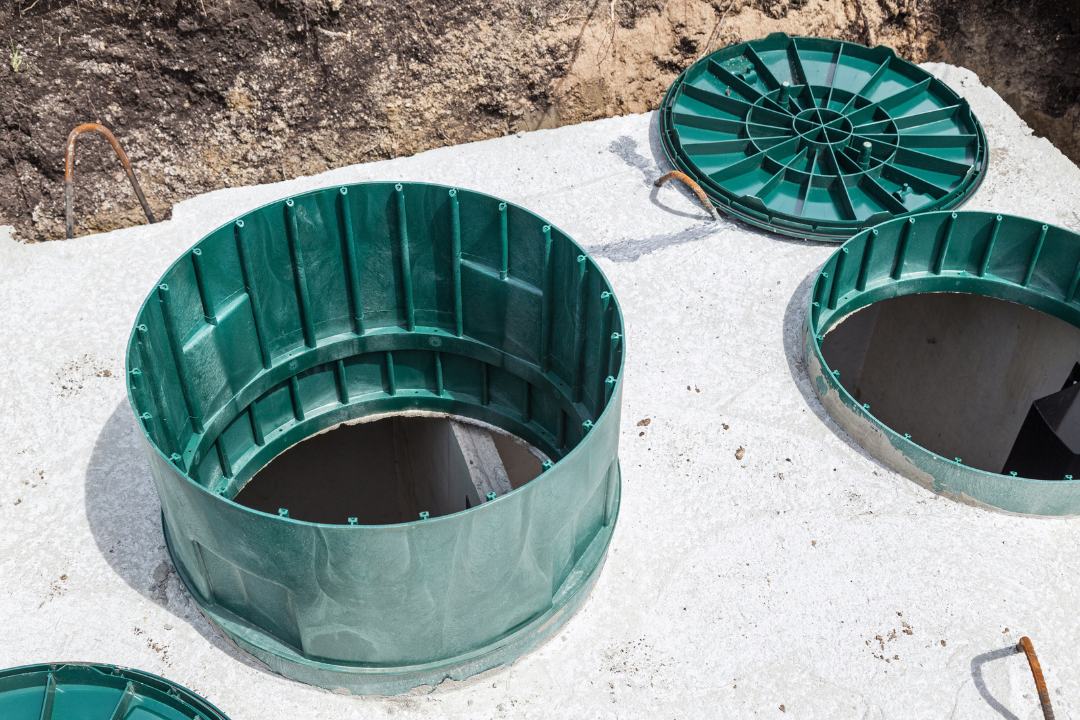
Septic systems play a critical role in maintaining the functionality and sustainability of homes and businesses in rural Tulsa. While urban areas often rely on centralized sewer systems, rural properties typically don’t have access to such infrastructure. This is where septic systems come into play, providing an efficient, eco-friendly solution for wastewater management.
In this article, we’ll explore why septic systems are vital for rural Tulsa properties, how they work, their benefits, and essential maintenance tips to keep them running smoothly.
What Are Septic Systems, and How Do They Work?
Before diving into why septic systems are essential for rural properties, it’s helpful to understand how they function. A septic system is an underground wastewater treatment structure, commonly used in areas without centralized sewer systems. It consists of two main components:
- Septic Tank:
This tank separates and stores solid waste while allowing liquid wastewater (effluent) to flow into the drain field. Over time, solids settle at the bottom (sludge), while oils and grease float to the top (scum). - Drain Field:
Also known as a leach field, this area treats and disperses the effluent into the soil, which naturally filters and cleans it before it re-enters the groundwater.
Why Septic Systems Are Vital for Rural Tulsa Properties
1. Lack of Access to Centralized Sewage Systems
Rural Tulsa properties often lack access to municipal sewer systems due to their distance from urban centers. Septic systems fill this gap by providing an independent, on-site solution for wastewater treatment. Services like septic system installation by Clearflow Septic ensure rural homeowners can manage their wastewater efficiently, avoiding significant challenges.
2. Cost-Effectiveness
Installing a septic system is significantly more affordable than extending municipal sewer lines to remote areas. For rural property owners in Tulsa, this cost-effective solution ensures proper wastewater management without the hefty price tag of urban infrastructure development.
- Lower Installation Costs: Septic systems are less expensive to install compared to the construction of sewer pipelines.
- Minimal Utility Bills: Unlike centralized systems, septic systems don’t involve ongoing sewage fees, saving homeowners money in the long run.
3. Environmental Benefits
Septic systems are environmentally friendly when properly maintained. They use natural processes to treat wastewater, minimizing the impact on local ecosystems. In rural Tulsa, where agriculture and green spaces abound, this sustainable approach helps preserve the environment.
- Protects Groundwater: A well-functioning septic system prevents contaminants from entering groundwater supplies, which is critical for rural communities reliant on well water.
- Reduces Pollution: By treating wastewater on-site, septic systems reduce the risk of untreated waste polluting nearby rivers and streams.
The Advantages of Septic Systems for Rural Tulsa Properties
1. Self-Sufficiency
Septic systems allow rural property owners to manage their wastewater independently, without relying on municipal services. This autonomy is particularly important in areas where utility access is limited or unavailable.
2. Long Lifespan
With proper care and regular maintenance, septic systems can last 20 to 30 years or more, making them a durable and reliable option for rural homeowners.
3. Versatility
Septic systems are suitable for a variety of properties, from single-family homes to farms and even small businesses. Their adaptability makes them a practical choice for rural Tulsa’s diverse landscape.
4. Customization
Septic systems can be tailored to suit specific site conditions, including soil type, property size, and water table levels. This flexibility ensures effective wastewater treatment across different rural settings.
How to Maintain Your Septic System
While septic systems are low-maintenance, regular upkeep is essential to ensure their efficiency and longevity. Here are some tips to keep your system in top shape:
1. Schedule Regular Pumping
The tank should be pumped every 3-5 years, depending on household size and usage. This prevents solids from building up and clogging the system.
2. Conserve Water
Excessive water use can overwhelm the septic system, leading to malfunctions. Install water-efficient appliances and spread out high-water activities like laundry.
3. Avoid Flushing Non-Biodegradable Items
Only flush toilet paper and human waste. Avoid flushing wipes, diapers, or feminine hygiene products, which can clog the system.
4. Protect the Drain Field
Keep heavy vehicles, construction, and deep-rooted plants away from the drain field to avoid damage.
5. Use Septic-Safe Products
Choose cleaning products labeled “septic-safe” to avoid killing the beneficial bacteria that aid in wastewater treatment.
Common Signs of Septic System Issues
Early detection of septic system problems can save you from costly repairs. Watch out for these warning signs:
- Slow Drains: Sink and toilet drains are sluggish.
- Odors: Foul smells near the tank or drain field.
- Pooling Water: Standing water around the drain field.
- Backups: Wastewater backing up into your home.
If you notice any of these issues, contact a septic professional immediately.
Why Septic Systems Are Vital for Rural Tulsa Properties
Supporting Local Communities
In rural Tulsa, septic systems not only serve individual homes but also support entire communities. Schools, churches, and small businesses in these areas often rely on septic systems to meet their wastewater needs. By ensuring proper maintenance and installation, these systems contribute to the overall health and functionality of the community.
Enhancing Property Value
A well-maintained septic system is a valuable asset for any rural property. Prospective buyers appreciate the independence and reliability it offers, making it a selling point for homeowners in Tulsa’s countryside.
Are There Alternatives to Septic Systems for Rural Properties?
While septic systems are the most common solution for rural properties, alternative options exist, such as:
- Aerobic Treatment Units (ATUs):
These systems use oxygen to treat wastewater more quickly, but they require more maintenance and electricity. - Composting Toilets:
A sustainable option that doesn’t use water but may not be practical for large households. - Constructed Wetlands:
These natural systems treat wastewater using plants and soil but require significant land and planning.
While these alternatives have their benefits, septic systems remain the most practical and widely used option for rural Tulsa properties.
Conclusion: Why Septic Systems Are Vital for Rural Tulsa Properties
Septic systems are indispensable for rural Tulsa properties, providing a cost-effective, environmentally friendly solution for managing wastewater. They are particularly vital in areas lacking access to centralized sewer infrastructure, enabling homeowners and communities to thrive independently.
By understanding how septic systems work and maintaining them properly, rural property owners can enjoy the benefits of reliable wastewater management for decades. Whether you’re a homeowner, business owner, or community leader in rural Tulsa, investing in a septic system is an essential step toward sustainability and self-reliance.
 Grow Your Wealth